Daily Weather Brief for 8 June 2026: Storms and Humidity Build Across Central Indiana
Scattered thunderstorms become more numerous later, with a wet evening and continued storm chances into Tuesday.
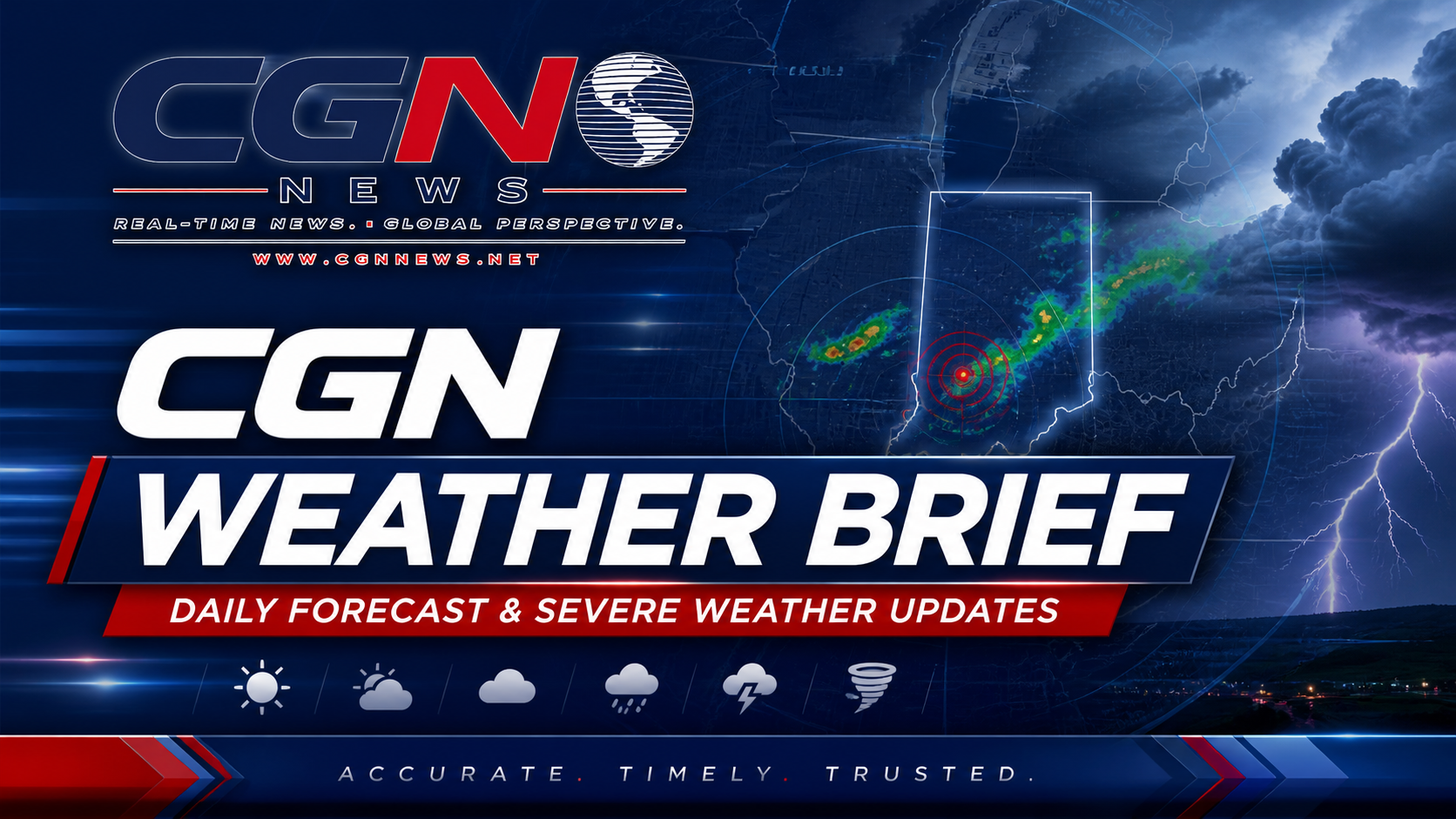
INDIANAPOLIS | Scattered thunderstorms and showers will become more numerous across Indianapolis and Marion County late Monday, followed by a wet night and continued storm chances Tuesday, according to the National Weather Service.
What happened
The Marion County zone forecast calls for highs in the mid-80s. The central issue is thunderstorms. That point matters because a thunderstorm can produce downpours and lightning without meeting severe criteria. A source-first account must distinguish the documented development from interpretation, attribute claims to the institution or person making them and avoid treating an early public statement as the last word. The available evidence supports a careful description of the change, but it does not support assumptions about motives or outcomes that have not been independently established.
The practical consequences of humidity extend beyond the headline. South winds are forecast at 5 to 10 mph with gusts up to 20 mph. Readers should evaluate the response through measurable actions, official records and the experience of affected communities. a general thunderstorm forecast does not justify a separate Severe Weather Alert That approach leaves room for new evidence without weakening the facts already confirmed, and it prevents a fast-moving story from becoming more certain in the telling than it is in the record.
What is confirmed
A second question concerns institutional responsibility. The rain chance is 70 percent today and near 100 percent tonight. The people making decisions must explain how they weighed commute planning, public impact and the risk of unintended consequences. readers should follow official NWS warnings if conditions change Transparency is most useful when it identifies the evidence, the governing standard and the next decision point rather than offering a broad assurance that cannot be checked.
The story also reveals a wider tension around NWS alert criteria. a thunderstorm can produce downpours and lightning without meeting severe criteria Tuesday remains humid with numerous showers, scattered thunderstorms and a 70 percent rain chance. That does not determine the final outcome, but it identifies the pressure facing officials, companies, communities or families. The next credible update will come from primary documents, verified operational data or a formal statement that answers the unresolved questions instead of repeating the original position.
Why it matters
The NWS Indianapolis Hazardous Weather Outlook did not anticipate spotter activation and no active Marion County watch, warning or advisory was found at the execution check. The central issue is forecast uncertainty. That point matters because a general thunderstorm forecast does not justify a separate Severe Weather Alert. A source-first account must distinguish the documented development from interpretation, attribute claims to the institution or person making them and avoid treating an early public statement as the last word. The available evidence supports a careful description of the change, but it does not support assumptions about motives or outcomes that have not been independently established.
The practical consequences of thunderstorms extend beyond the headline. The Marion County zone forecast calls for highs in the mid-80s. Readers should evaluate the response through measurable actions, official records and the experience of affected communities. readers should follow official NWS warnings if conditions change That approach leaves room for new evidence without weakening the facts already confirmed, and it prevents a fast-moving story from becoming more certain in the telling than it is in the record.
The institutional context
A second question concerns institutional responsibility. South winds are forecast at 5 to 10 mph with gusts up to 20 mph. The people making decisions must explain how they weighed humidity, public impact and the risk of unintended consequences. a thunderstorm can produce downpours and lightning without meeting severe criteria Transparency is most useful when it identifies the evidence, the governing standard and the next decision point rather than offering a broad assurance that cannot be checked.
The story also reveals a wider tension around commute planning. a general thunderstorm forecast does not justify a separate Severe Weather Alert The rain chance is 70 percent today and near 100 percent tonight. That does not determine the final outcome, but it identifies the pressure facing officials, companies, communities or families. The next credible update will come from primary documents, verified operational data or a formal statement that answers the unresolved questions instead of repeating the original position.
Effects on people and systems
Tuesday remains humid with numerous showers, scattered thunderstorms and a 70 percent rain chance. The central issue is NWS alert criteria. That point matters because readers should follow official NWS warnings if conditions change. A source-first account must distinguish the documented development from interpretation, attribute claims to the institution or person making them and avoid treating an early public statement as the last word. The available evidence supports a careful description of the change, but it does not support assumptions about motives or outcomes that have not been independently established.
The practical consequences of forecast uncertainty extend beyond the headline. The NWS Indianapolis Hazardous Weather Outlook did not anticipate spotter activation and no active Marion County watch, warning or advisory was found at the execution check. Readers should evaluate the response through measurable actions, official records and the experience of affected communities. a thunderstorm can produce downpours and lightning without meeting severe criteria That approach leaves room for new evidence without weakening the facts already confirmed, and it prevents a fast-moving story from becoming more certain in the telling than it is in the record.
What remains uncertain
A second question concerns institutional responsibility. The Marion County zone forecast calls for highs in the mid-80s. The people making decisions must explain how they weighed thunderstorms, public impact and the risk of unintended consequences. a general thunderstorm forecast does not justify a separate Severe Weather Alert Transparency is most useful when it identifies the evidence, the governing standard and the next decision point rather than offering a broad assurance that cannot be checked.
The story also reveals a wider tension around humidity. readers should follow official NWS warnings if conditions change South winds are forecast at 5 to 10 mph with gusts up to 20 mph. That does not determine the final outcome, but it identifies the pressure facing officials, companies, communities or families. The next credible update will come from primary documents, verified operational data or a formal statement that answers the unresolved questions instead of repeating the original position.
What to watch next
The rain chance is 70 percent today and near 100 percent tonight. The central issue is commute planning. That point matters because a thunderstorm can produce downpours and lightning without meeting severe criteria. A source-first account must distinguish the documented development from interpretation, attribute claims to the institution or person making them and avoid treating an early public statement as the last word. The available evidence supports a careful description of the change, but it does not support assumptions about motives or outcomes that have not been independently established.
The practical consequences of NWS alert criteria extend beyond the headline. Tuesday remains humid with numerous showers, scattered thunderstorms and a 70 percent rain chance. Readers should evaluate the response through measurable actions, official records and the experience of affected communities. a general thunderstorm forecast does not justify a separate Severe Weather Alert That approach leaves room for new evidence without weakening the facts already confirmed, and it prevents a fast-moving story from becoming more certain in the telling than it is in the record.
A second question concerns institutional responsibility. The NWS Indianapolis Hazardous Weather Outlook did not anticipate spotter activation and no active Marion County watch, warning or advisory was found at the execution check. The people making decisions must explain how they weighed forecast uncertainty, public impact and the risk of unintended consequences. readers should follow official NWS warnings if conditions change Transparency is most useful when it identifies the evidence, the governing standard and the next decision point rather than offering a broad assurance that cannot be checked.
Additional Reporting By: National Weather Service Indianapolis; NOAA; official Marion County zone forecast; official Hazardous Weather Outlook.
What this means
Daily Weather Brief for 8 June 2026: Storms and Humidity Build Across Central Indiana matters because the main risk is disruption from rain and lightning. The immediate consequences extend beyond the people or institution at the center of the report and can shape public trust, household decisions, business planning or government action.
For readers, the practical question is whether an official alert is issued later. The best evidence will come from official records, accountable statements and developments that can be independently checked rather than from speculation about what might happen.
What happens next will show whether residents adjust travel and outdoor plans. CGN News will treat figures, allegations and policy claims as developing until the responsible authorities or primary documents confirm them.