Flood Warning for 7 June 2026: Excessive Rainfall Affects Four Western Indiana Counties
The warning remains in effect until 10 a.m. EDT for Fountain County and portions of Montgomery, Vermillion and Warren counties.
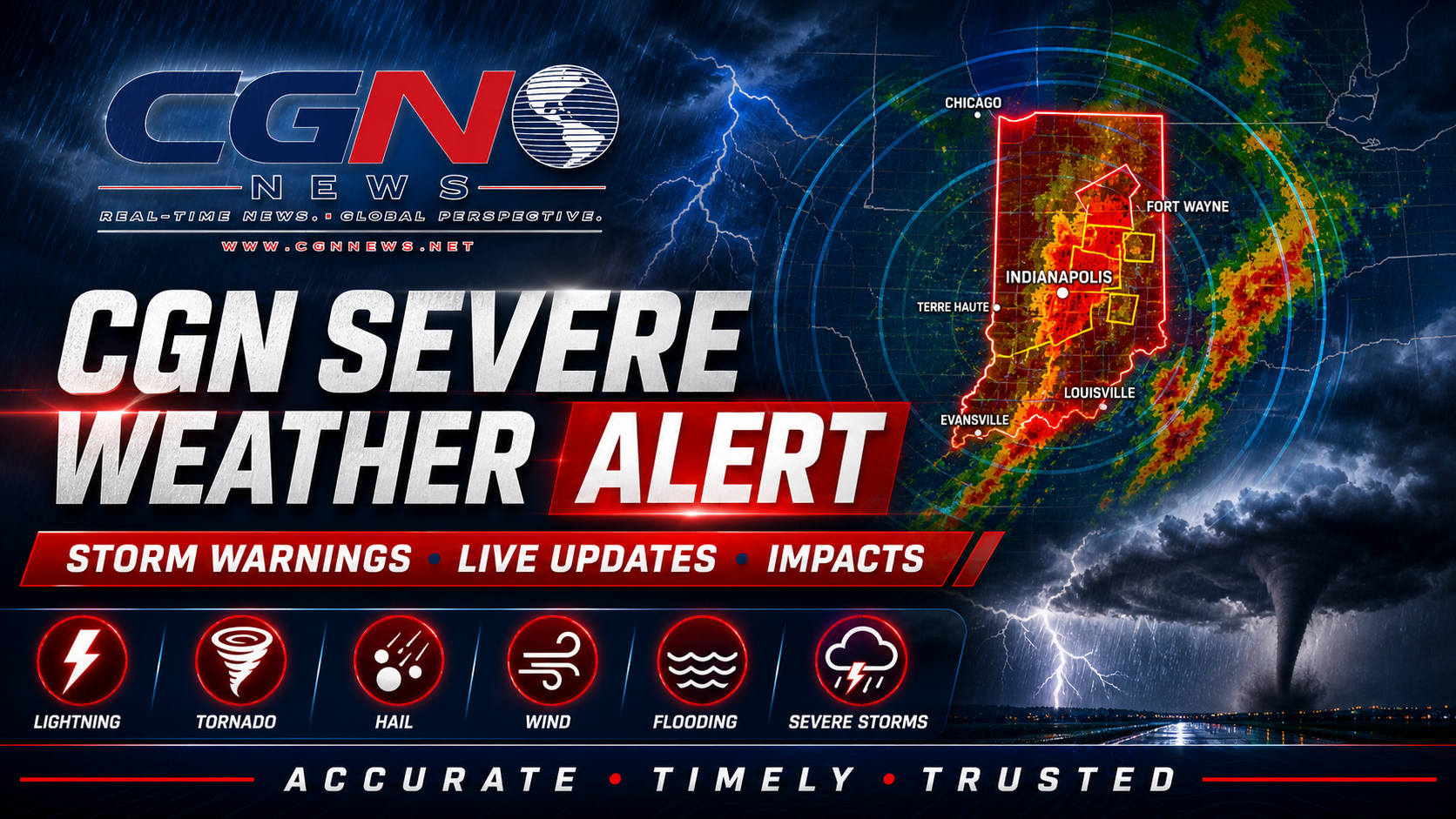
INDIANAPOLIS | The National Weather Service maintained a Flood Warning until 10 a.m. EDT for Fountain County, western Montgomery County, northwestern Vermillion County and southwestern Warren County after excessive rainfall caused flooding and water rescues.
This report separates verified information from allegations, forecasts and unresolved questions. Figures and claims remain attributed to the organizations or reporting that produced them, and developing facts may require correction.
The warning was issued at 5:12 a.m. EDT Sunday. NWS issues the warning. Water depth is difficult to judge. Together, these points define a verifiable part of the record without turning a developing event into a guaranteed outcome.
It was scheduled to remain in effect until 10 a.m. EDT. County emergency managers identify closures and rescues. Moving water can disable or move vehicles. Together, these points define a verifiable part of the record without turning a developing event into a guaranteed outcome.
The area included Fountain, western Montgomery, northwestern Vermillion and southwestern Warren counties. Law enforcement blocks roads. Flooding may remain after rain ends. Together, these points define a verifiable part of the record without turning a developing event into a guaranteed outcome.
NWS said between 2.5 and 7 inches of rain had fallen. Drivers remain responsible for avoiding water. Rural roads and small streams can rise quickly. Together, these points define a verifiable part of the record without turning a developing event into a guaranteed outcome.
Up to another quarter inch was possible. Local media relay official information. Emergency access can be delayed. Together, these points define a verifiable part of the record without turning a developing event into a guaranteed outcome.
Water rescues had been reported. Residents should use multiple warning methods. A localized warning should not be generalized statewide. Together, these points define a verifiable part of the record without turning a developing event into a guaranteed outcome.
Locations listed included Covington, Veedersburg, Williamsport, Attica and Waynetown. NWS issues the warning. Water depth is difficult to judge. Together, these points define a verifiable part of the record without turning a developing event into a guaranteed outcome.
Drivers were told not to enter flooded roads. County emergency managers identify closures and rescues. Moving water can disable or move vehicles. Together, these points define a verifiable part of the record without turning a developing event into a guaranteed outcome.
The warning did not cover all central Indiana. Law enforcement blocks roads. Flooding may remain after rain ends. Together, these points define a verifiable part of the record without turning a developing event into a guaranteed outcome.
It could expire, be extended or be replaced. Drivers remain responsible for avoiding water. Rural roads and small streams can rise quickly. Together, these points define a verifiable part of the record without turning a developing event into a guaranteed outcome.
NWS issues the warning. Flooding may remain after rain ends. The relevance of that structure is illustrated by the confirmed fact that nWS said between 2.5 and 7 inches of rain had fallen. Responsibility is therefore distributed rather than controlled by one official, company or announcement.
County emergency managers identify closures and rescues. Rural roads and small streams can rise quickly. The relevance of that structure is illustrated by the confirmed fact that up to another quarter inch was possible. Responsibility is therefore distributed rather than controlled by one official, company or announcement.
Law enforcement blocks roads. Emergency access can be delayed. The relevance of that structure is illustrated by the confirmed fact that water rescues had been reported. Responsibility is therefore distributed rather than controlled by one official, company or announcement.
Drivers remain responsible for avoiding water. A localized warning should not be generalized statewide. The relevance of that structure is illustrated by the confirmed fact that locations listed included Covington, Veedersburg, Williamsport, Attica and Waynetown. Responsibility is therefore distributed rather than controlled by one official, company or announcement.
Local media relay official information. Water depth is difficult to judge. The relevance of that structure is illustrated by the confirmed fact that drivers were told not to enter flooded roads. Responsibility is therefore distributed rather than controlled by one official, company or announcement.
Residents should use multiple warning methods. Moving water can disable or move vehicles. The relevance of that structure is illustrated by the confirmed fact that the warning did not cover all central Indiana. Responsibility is therefore distributed rather than controlled by one official, company or announcement.
Water depth is difficult to judge. The assessment must remain proportionate because road conditions change quickly. A responsible article identifies the pressure and the decision point without claiming certainty that the evidence does not provide.
Moving water can disable or move vehicles. The assessment must remain proportionate because the warning may be extended. A responsible article identifies the pressure and the decision point without claiming certainty that the evidence does not provide.
Flooding may remain after rain ends. The assessment must remain proportionate because rain estimates vary by place. A responsible article identifies the pressure and the decision point without claiming certainty that the evidence does not provide.
Rural roads and small streams can rise quickly. The assessment must remain proportionate because additional rescues or damage may be reported. A responsible article identifies the pressure and the decision point without claiming certainty that the evidence does not provide.
Emergency access can be delayed. The assessment must remain proportionate because road conditions change quickly. A responsible article identifies the pressure and the decision point without claiming certainty that the evidence does not provide.
A localized warning should not be generalized statewide. The assessment must remain proportionate because the warning may be extended. A responsible article identifies the pressure and the decision point without claiming certainty that the evidence does not provide.
The principal uncertainties are these: Road conditions change quickly. The warning may be extended. Rain estimates vary by place. Additional rescues or damage may be reported. They are part of the factual account and should be revisited when new official information becomes available.
The next observable checkpoints are: The 10 a.m. expiration or extension. County road closures. Additional rainfall. Emergency instructions. Those records provide a better basis for updates than speculation, anonymous social-media claims or political prediction.
The proportionate conclusion is this: The National Weather Service maintained a Flood Warning until 10 a.m. EDT for Fountain County, western Montgomery County, northwestern Vermillion County and southwestern Warren County after excessive rainfall caused flooding and water rescues. The record is sufficient to identify the immediate event, responsible institutions and principal risks, but it does not guarantee the final outcome. Official documents, verified data and named responses should determine any update.
Additional Reporting By: National Weather Service; NOAA; Indiana Department of Homeland Security; Jessica Storm
What this means
What This Means: Water depth is difficult to judge. Road conditions change quickly. Readers should distinguish the confirmed development from predictions about its ultimate effect.
The next practical checkpoint is the 10 a.m. expiration or extension. The article should be updated if an official result, warning expiration, filing or material correction changes the record.