What to Do When a Tornado Warning Hits
A practical family guide for the minutes that matter most
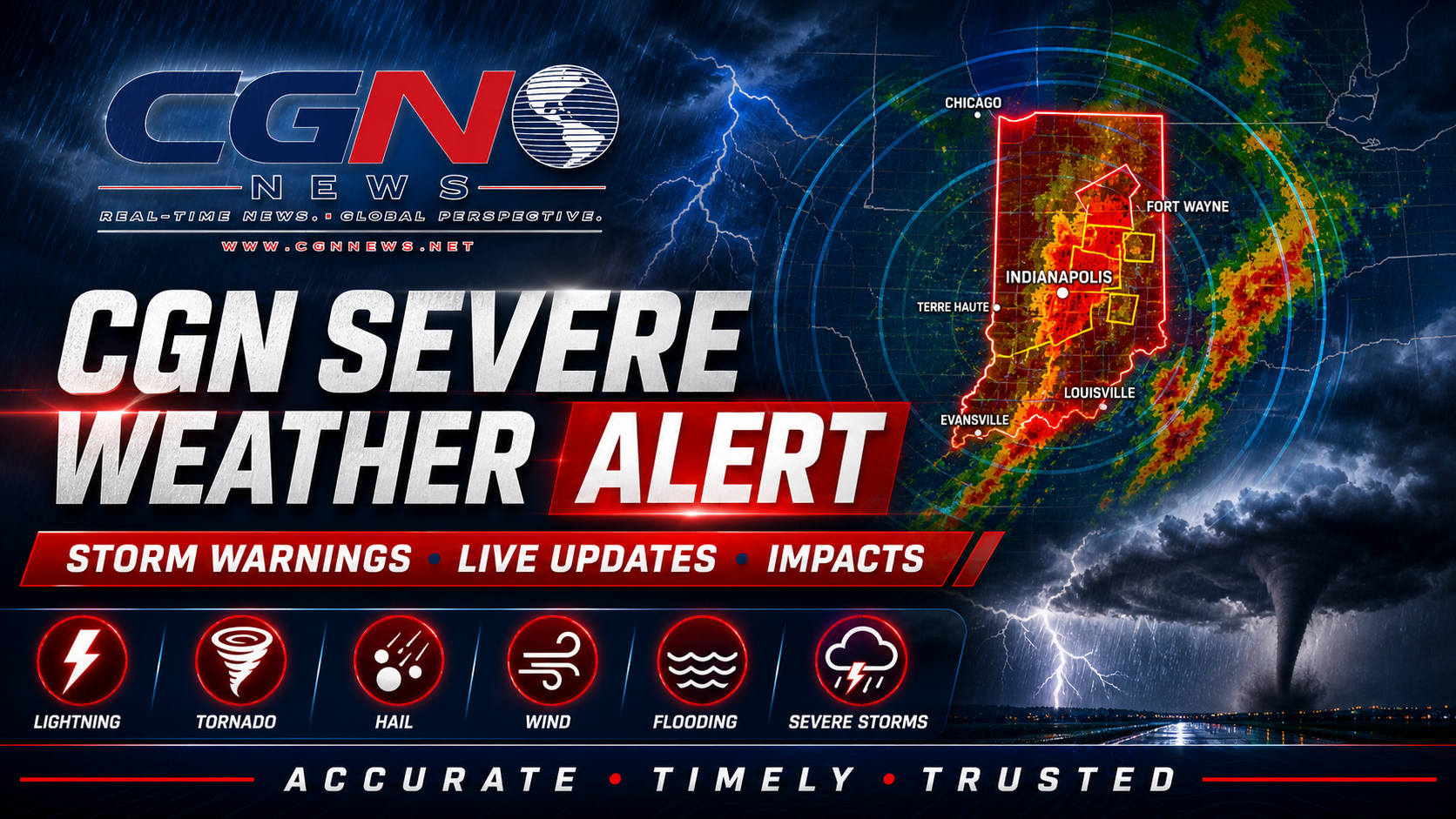
INDIANAPOLIS | A tornado warning is not the time to check the sky one more time. It is the time to move.
That may sound blunt, but the first lesson of tornado safety is that hesitation can be dangerous. The National Weather Service issues tornado warnings when a tornado has been reported or indicated by radar and there is a serious threat to life and property. In plain language, that means the danger is close enough that families should act immediately.
The safest response starts long before the warning. Every household should know its tornado shelter location. The best option is a basement or storm shelter. If that is not available, choose a small interior room on the lowest floor of a sturdy building. Bathrooms, closets and hallways can be better than rooms with windows. The goal is to put as many walls as possible between people and the outside.
Windows are not protection. Large rooms are not ideal. Garages, manufactured homes and vehicles are especially dangerous during tornado conditions. People living in mobile homes should identify a sturdier shelter nearby before tornado season begins. That may be a neighbor’s house, community shelter, church, school or designated public building. Waiting until a warning arrives may leave too little time.
Families should prepare a small tornado shelter kit. It does not need to be elaborate. Shoes for everyone matter because broken glass, nails and debris can cover floors after a storm. Helmets can reduce head injuries. Flashlights, batteries, phone chargers, medication, a first-aid kit, pet leashes, identification, water and a weather radio can make the first hour after impact safer.
Parents should talk to children before storms happen. Children do better when they understand the plan in calm conditions. Explain where the family goes, what sound or alert means it is time to move, and why adults may speak quickly during an emergency. Fear is natural, but confusion makes fear worse.
Pets should be part of the plan. A dog that refuses to come downstairs or a cat hiding under a bed can delay sheltering. Keep carriers, leashes or treats near the shelter area if severe weather is expected. No family wants to choose between personal safety and a pet in the final minute before impact.
Technology helps, but it should not be the only layer. Phone alerts, weather apps, local television, radio, NOAA Weather Radio and outdoor sirens all have strengths and weaknesses. Phones can be silenced. Apps can fail. Sirens may not be heard indoors. A layered alert system is better than trusting one source.
Once in shelter, protect the head and neck. Get low. Cover up with a mattress, heavy blankets, pillows or coats if available. Keep away from windows. If there is time, put on shoes. Do not leave shelter because the wind appears to calm. Some storms have multiple circulations, and dangerous debris can remain airborne.
Drivers face especially difficult choices. A vehicle is not a safe tornado shelter. If a sturdy building is nearby and there is time to reach it safely, go there. Do not park under an overpass; that can create wind-tunnel danger and block emergency traffic. If caught with no good option, the safest decision depends on the situation, terrain and storm movement, which is why avoiding travel during tornado-warned storms is often the best strategy.
Schools, workplaces and public venues should have posted tornado procedures. Parents should know their children’s school policy. Employers should not expect workers to continue normal duties during a warning. Event organizers should have a shelter plan before the first ticket is scanned.
After the storm, the danger may not be over. Downed power lines, gas leaks, broken glass, unstable walls, damaged trees and flooded roads can cause injuries after the tornado has passed. Use flashlights instead of candles if gas leaks are possible. Check on neighbors if it is safe. Text messages may work when calls do not. Follow official instructions before returning to damaged areas.
It is also important to avoid spreading unverified reports. During severe weather, rumors move quickly. Share official information from local emergency management, the National Weather Service, police, fire departments or trusted local media. Bad information can send people into danger.
The emotional aftermath matters too. Tornadoes are violent, loud and frightening. Children may need reassurance. Adults may feel shock after the immediate threat ends. Communities should treat mental stress as part of disaster recovery, not as an afterthought.
The central rule is simple: act first, analyze later. When a tornado warning is issued, the safest family is the one that already knows the plan. The sky may look calm. The siren may be distant. The alert may feel like another interruption. But the warning exists because trained forecasters see danger.
Minutes matter. A good plan gives those minutes back.
Additional Reporting By: NOAA Severe Weather 101; National Weather Service; FEMA Ready.gov; local emergency-management preparedness materials
What this means
A tornado warning should trigger immediate action. Families should move to a basement or interior lowest-floor room, protect the head and neck, avoid windows and vehicles, and rely on multiple alert sources.