The Tri-State Tornado Still Shapes How America Thinks About Tornado Risk
A century after the deadliest U.S. tornado, the lessons remain urgent
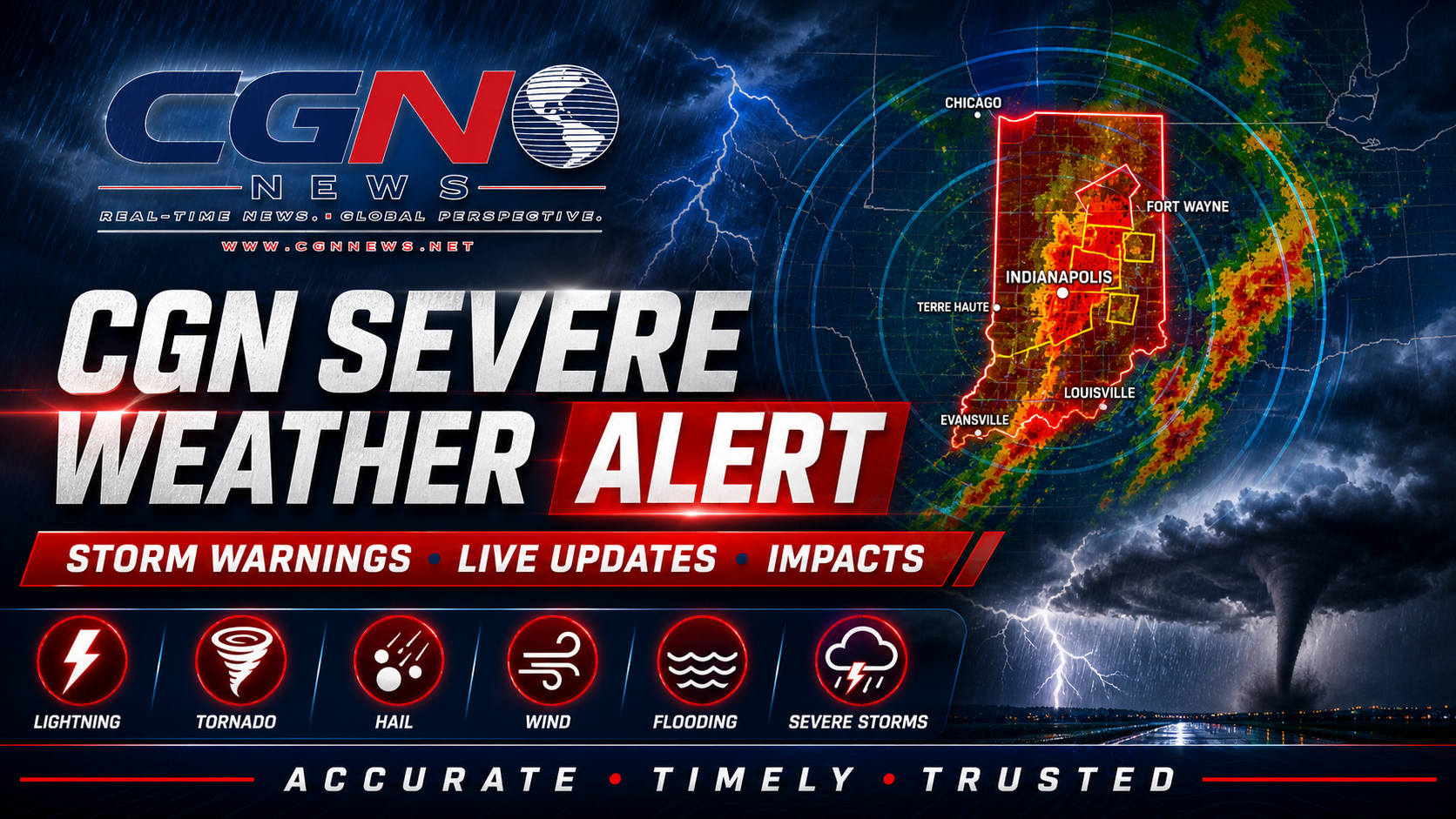
INDIANAPOLIS | The deadliest tornado in United States history did not arrive with a phone alert, a television crawl or a radar-indicated warning. It came in 1925, moving across parts of Missouri, Illinois and Indiana with a speed and violence that still define the outer edge of American tornado memory.
The Tri-State Tornado of 18 March 1925 remains a benchmark disaster because of its scale, death toll and historical timing. Nearly 700 people were killed, thousands were injured and entire communities were shattered. The storm’s long path through the Midwest became more than a weather event. It became a permanent warning about what happens when violent tornadoes meet vulnerable towns without modern alert systems.
Today, meteorology has changed dramatically. Doppler radar, storm spotter networks, satellite data, warning polygons, mobile alerts and local media coverage give the public more information than people in 1925 could have imagined. But the Tri-State Tornado still matters because technology alone does not create safety. People must understand the warning, believe it, and know what to do.
One of the hardest lessons from historic tornado disasters is that danger often looks unbelievable until it is too late. Many people expect a tornado to look like a clean funnel under a dramatic sky. Real tornadoes can be wrapped in rain, hidden by darkness or obscured by terrain. Some arrive so quickly that the safest response is not to look outside but to move immediately to shelter.
The 1925 disaster also shows why community preparedness matters. A tornado does not strike only individual households. It strikes schools, churches, factories, downtown streets, farms, rail lines and emergency services. When a town is hit, the response depends on whether people know how to shelter, whether buildings offer safe places, whether communication systems work, and whether neighbors can help neighbors in the first chaotic minutes after impact.
Warning systems have improved because disasters forced improvement. Meteorologists study storms not only to understand the atmosphere, but to increase lead time and accuracy. Emergency managers study public response because a warning that is ignored, misunderstood or delayed can fail even when the forecast is correct.
That is why the modern watch-warning system is so important. A tornado watch means conditions are favorable and people should stay alert. A tornado warning means a tornado has been observed or indicated by radar and people in the warned area should act. The difference is not academic. It is the difference between preparation and sheltering.
The Tri-State Tornado also reminds families that geography can create false confidence. Indiana, Illinois and Missouri residents know tornadoes are possible, but familiarity can create complacency. A person who has heard sirens many times without damage may begin to treat warnings as background noise. That is dangerous. Most warnings will not produce catastrophic damage at one address, but every warning deserves respect because the cost of being wrong is severe.
Schools carry a special responsibility. Many of the most painful tornado memories in American history involve children and public buildings. Modern schools conduct drills, identify shelter zones and coordinate with emergency officials. Those practices should not be treated as routine paperwork. They are the living legacy of disasters that came before.
Homes also need realistic planning. A basement is best when available. Without one, families should choose an interior room on the lowest floor. Helmets, shoes, blankets, phone chargers and medication can be placed nearby when severe weather is forecast. Mobile-home residents should identify sturdier shelter before storms arrive. Rural families should know that response times may be longer after a widespread tornado event.
Another lesson is recovery. The Tri-State Tornado did not end when the wind stopped. Survivors faced grief, injury, destroyed homes, damaged infrastructure and a long rebuilding process. Modern communities still face that reality after major tornadoes. Insurance claims, debris removal, mental health, school closures and business interruption can last months or years.
Historical weather stories are sometimes treated like distant tragedies. They should be treated as instruction. The people who died in 1925 lived in a world without the warning tools available today. The responsibility of the present is to use those tools well.
That means keeping phones charged when storms are possible. It means enabling emergency alerts. It means knowing the difference between a watch and a warning. It means not waiting for outdoor sirens as the only signal. It means taking shelter even when the sky does not look dramatic.
A century later, the Tri-State Tornado still speaks to the Midwest. It says violent tornadoes are rare but real. It says warning time is precious. It says preparedness is not overreaction. And it says the safest communities are the ones that remember history before the next storm writes another chapter.
Additional Reporting By: NOAA Severe Weather 101; National Weather Service; FEMA Ready.gov; local emergency-management preparedness materials
What this means
The Tri-State Tornado remains a warning about the importance of modern alerts, fast shelter decisions and community preparedness. History shows that tornado safety depends on both forecasting and public action.