Market Watch: Why Wall Street Keeps Rallying Through Bad News
Strong earnings and AI optimism are colliding with oil, inflation and rate risk
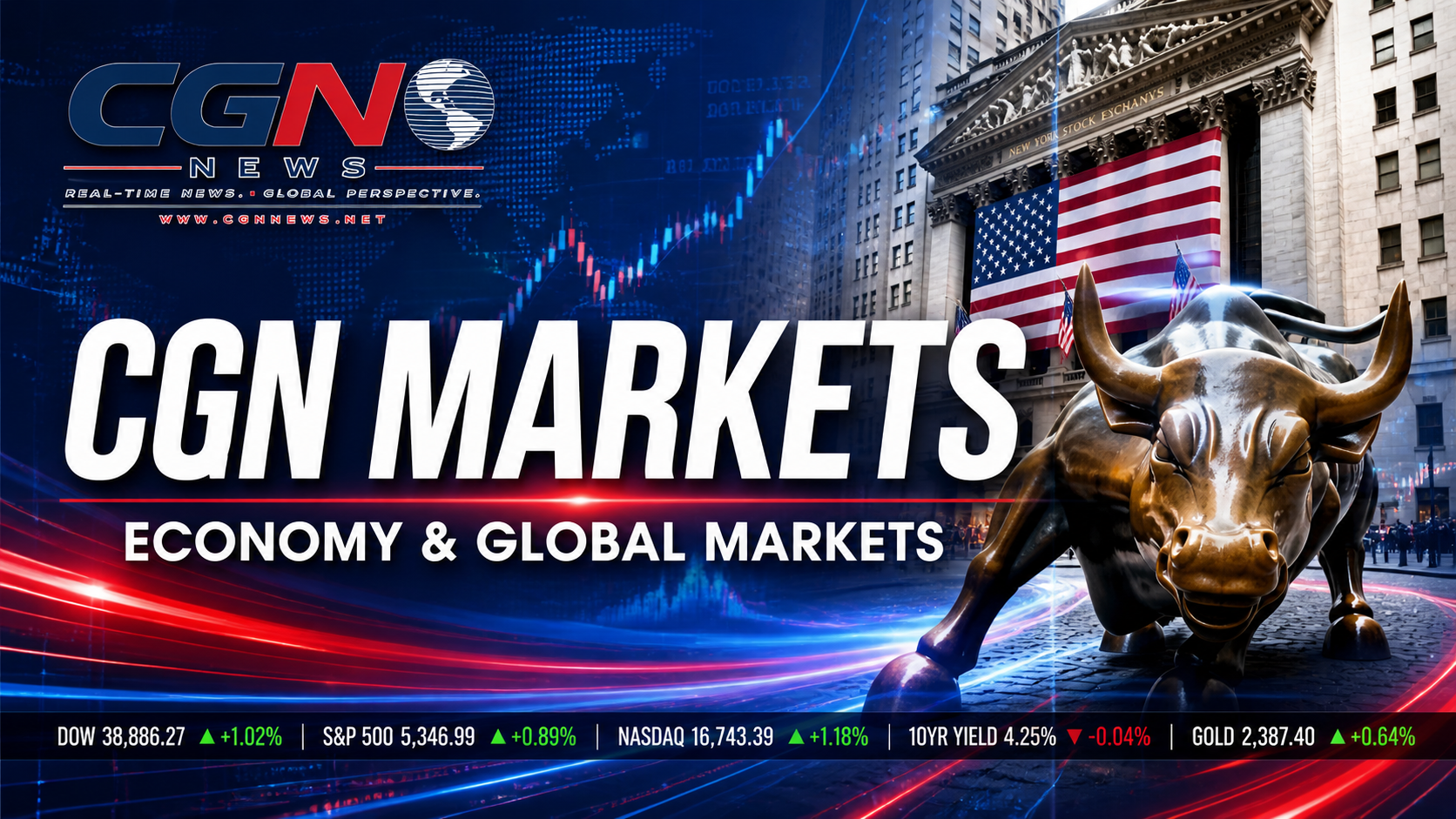
NEW YORK | Wall Street has been doing something that looks strange from the outside: rallying through bad news.
Oil-price pressure, inflation anxiety, geopolitical risk and Federal Reserve uncertainty would normally be enough to make investors more defensive. Instead, major U.S. stock indexes have remained resilient, supported by corporate earnings, artificial intelligence enthusiasm and the belief that large companies can keep growing even in an uneven economy.
The tension is real. Investors are not ignoring risk. They are ranking it against opportunity. On one side are higher energy costs, sticky inflation, cautious central banks and consumers who may become more selective. On the other side are strong technology profits, AI infrastructure spending, cloud demand, corporate buybacks and the sheer weight of large companies that continue to produce cash.
That balance explains why the market can look calm at the index level while feeling nervous underneath. A few large technology and communication-services companies can hold up the broader market even if smaller companies struggle. Energy companies may benefit from higher oil prices while airlines, retailers and manufacturers face cost pressure. Banks may benefit from higher yields in one area while facing credit concerns in another. The headline index can hide the argument happening inside it.
The Federal Reserve remains central to that argument. The Fed’s March minutes noted that some near-term inflation expectations had increased as energy and commodity prices surged. That matters because investors have spent months trying to determine when interest-rate relief might arrive. If inflation remains stubborn, rate cuts become harder to justify. If growth weakens, the Fed may face pressure to support the economy. If both happen at once, the policy path becomes complicated.
Energy prices are especially important because they move quickly through the economy. Higher oil prices can affect gasoline, diesel, jet fuel, freight, food distribution and consumer psychology. A household may not follow bond yields every day, but it notices fuel prices. A company may report strong revenue but still face questions about shipping and input costs if energy remains elevated.
Corporate earnings have helped offset those concerns. Investors have rewarded companies that show pricing power, strong margins, AI-related demand or durable subscription revenue. They have punished companies that signal weakening consumers, rising costs or uncertain guidance. This creates a market where selectivity matters more than broad optimism.
Artificial intelligence remains the strongest narrative. The AI trade is no longer limited to model developers. It reaches chipmakers, cloud providers, data-center builders, power-equipment companies, software platforms and consulting firms. Investors are treating AI as both a technology story and a capital-spending cycle. As long as earnings support that view, the market may remain willing to look past other risks.
But optimism has limits. AI infrastructure is expensive. Data centers require chips, power, land, cooling systems and years of investment. Investors will eventually ask whether spending produces enough revenue and productivity gains. If major technology companies keep raising capital expenditures without showing returns, the rally could become more fragile.
Bond yields are another pressure point. Higher yields can compete with stocks by making safer assets more attractive. They also raise borrowing costs for consumers, companies and the government. Growth stocks are especially sensitive because their valuations depend heavily on future earnings. If inflation concerns push yields higher, even strong companies can face valuation pressure.
Consumer behavior may determine whether the rally broadens or narrows. If households keep spending, companies outside technology may hold up. If higher fuel, rent, insurance and debt costs force consumers to pull back, earnings pressure could spread. Retailers, restaurants, travel companies and discretionary brands will provide important clues.
Global risk also remains part of the picture. Markets are watching the Middle East, shipping lanes, Europe’s defense spending, China’s manufacturing outlook and currency movements. A U.S. stock rally can continue despite global uncertainty, but it becomes more vulnerable if multiple risks hit at once.
For individual investors, the lesson is not that bad news no longer matters. It is that markets move on expectations. If investors already expect trouble, a company that performs better than feared can rally. If investors expect perfection, even good results can disappoint. That is why earnings guidance and executive commentary have become so important.
Wall Street’s resilience should therefore be read carefully. It is a sign of strength, but not immunity. The market can absorb oil pressure, inflation worries and rate uncertainty when earnings are strong and AI optimism is high. But if earnings weaken, energy costs persist or the Fed sounds more restrictive, the same market can reprice quickly.
For now, investors appear willing to stay engaged. They are buying the companies they believe can grow through uncertainty and avoiding those most exposed to cost pressure. That is not blind confidence. It is selective confidence.
The rally can continue, but the burden of proof is rising. Wall Street has been willing to look through bad news because the good news has been powerful. The next phase depends on whether that good news keeps showing up in earnings, margins, cash flow and real demand.
Additional Reporting By: Reuters; Yahoo Finance; Federal Reserve; company filings
What this means
The stock market is resilient because investors are balancing inflation and oil risk against earnings strength and AI optimism. The rally can continue, but it depends on whether profits and guidance keep supporting high expectations.