Oil Surge Tests Central Bank Patience
Energy shock complicates rate outlook as inflation risks return
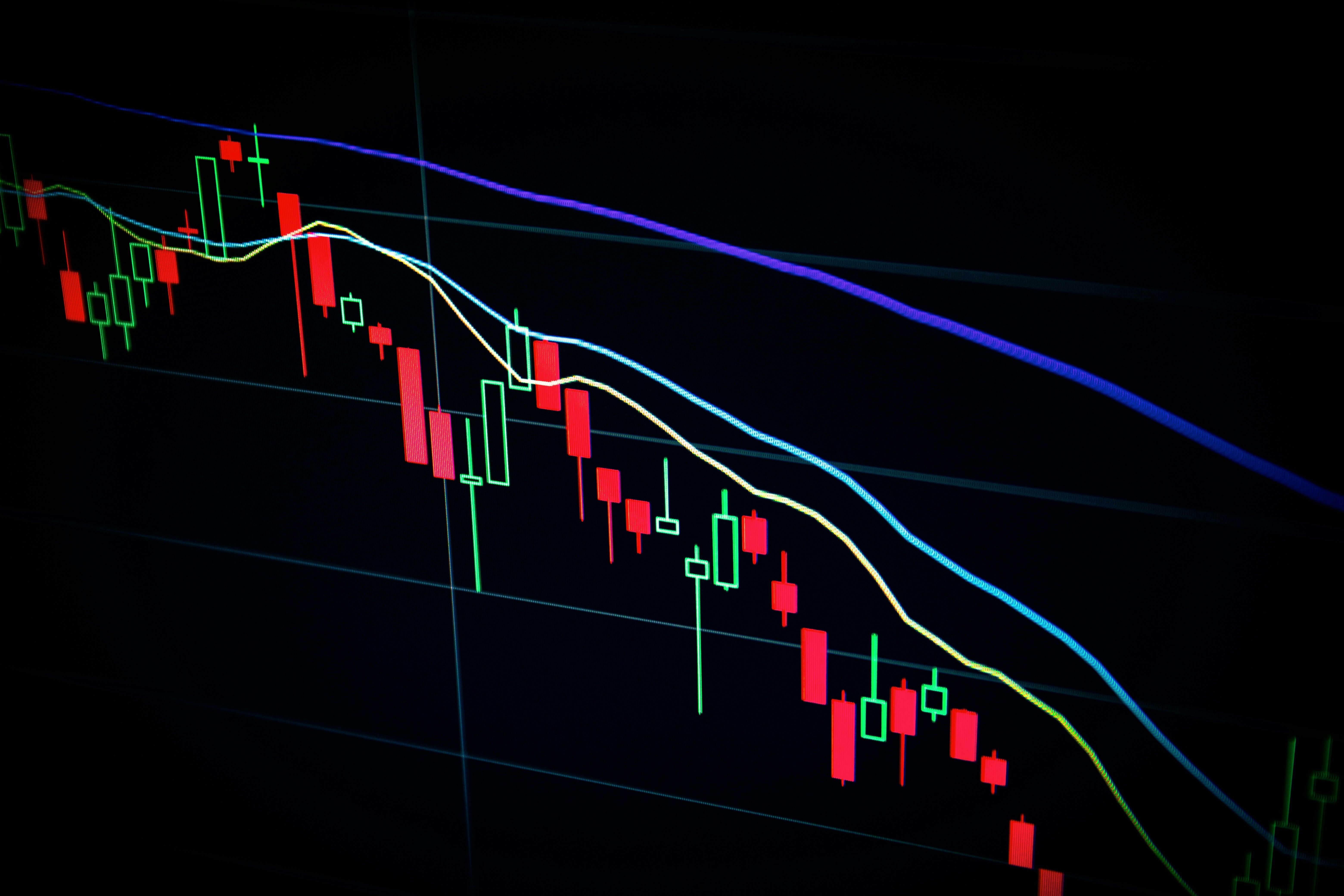
NEW YORK | A renewed surge in oil prices is testing investor confidence and complicating the outlook for central banks, as markets weigh whether higher energy costs could slow consumer spending, pressure corporate earnings and force policymakers to keep interest rates elevated for longer than expected.
The latest move in crude prices comes at a difficult moment for financial markets. Investors had entered the week focused on technology earnings, Federal Reserve guidance and signs of whether inflation was continuing to cool. Instead, energy prices moved back to the center of the conversation, raising concerns that a geopolitical shock could interrupt the smoother economic path markets had been hoping for.
Oil is not just another commodity for investors. It affects transportation, manufacturing, food distribution, airline costs, household fuel bills and inflation expectations. When crude prices rise quickly, the effect can spread through the economy faster than many other price changes. That makes the current surge especially important for markets that had been pricing in a more manageable inflation environment.
The challenge for central banks is that energy shocks are hard to interpret. Policymakers often prefer to look through temporary oil spikes, especially when they are caused by geopolitical events rather than domestic demand. But if higher prices persist, they can influence wages, business pricing decisions and consumer expectations. That can turn a temporary shock into a broader inflation problem.
For the Federal Reserve, the timing is particularly sensitive. The central bank is already navigating a divided policy environment, with investors watching closely for signs of whether officials will prioritize inflation control or economic support. A sharp increase in oil prices makes that balancing act more difficult because it threatens to raise inflation while also reducing household purchasing power.
Markets are reacting to that tension. Stocks have remained relatively resilient, but the surface calm hides important sector differences. Energy companies tend to benefit from higher crude prices. Airlines, retailers, manufacturers and consumer-facing businesses can come under pressure. Technology stocks may still attract investors seeking growth, but even those companies are not immune if higher rates weigh on valuations.
Bond markets are also sending a warning. If investors believe higher energy costs will keep inflation elevated, they may demand higher yields. Rising yields can make borrowing more expensive for households, businesses and governments. They can also put pressure on equity valuations, especially for companies whose expected profits are far in the future.
The dollar can also be affected. In periods of global uncertainty, investors often move toward dollar assets, especially when U.S. yields rise. A stronger dollar can help contain import costs for American consumers, but it can create pressure for emerging markets and multinational companies. That makes the oil shock a global markets story, not only a domestic inflation story.
Corporate earnings add another layer of complexity. Companies that report strong revenue may still face questions about margins if fuel, freight or materials costs rise. Executives may be forced to explain whether they can absorb higher costs or pass them along to customers. That distinction matters because households have become more sensitive to price increases after several years of inflation.
Consumer behavior is one of the biggest risks. Higher gasoline prices act like a tax on households, especially lower- and middle-income consumers who spend a larger share of their income on transportation. If fuel costs rise enough, discretionary spending on restaurants, travel, clothing, electronics and entertainment can weaken. That can hurt corporate earnings even if headline employment remains strong.
Businesses face similar pressure. A manufacturer may see higher shipping costs. A grocery distributor may pay more for diesel. An airline may face higher jet fuel expenses. A small business may have less negotiating power with suppliers. These costs can move through the economy gradually, but once they do, they are difficult to reverse quickly.
Investors are therefore watching not only the price of oil but the duration of the move. A short spike may be disruptive but manageable. A sustained period of elevated crude prices could reshape the policy outlook. If inflation expectations rise, central banks may hesitate to cut rates. If growth weakens at the same time, policymakers could face a more uncomfortable choice.
That is why the market response has been cautious rather than panicked. Many investors remember that energy shocks can fade if supply fears ease or diplomacy improves. But they also know that oil markets can move sharply when shipping routes, military activity or production risks are involved. In that environment, risk management becomes more important than simple optimism.
Financial strategists say the coming days will be important because markets will get more information from earnings calls, central bank commentary and energy-market data. If companies indicate that higher fuel costs are already affecting guidance, investors may become more defensive. If policymakers signal that they remain focused on inflation, rate-sensitive sectors could face pressure.
There is also a political dimension. Rising fuel prices often draw attention from governments because they are visible to voters. Policymakers may consider reserve releases, tax relief, subsidies or diplomatic efforts to stabilize supply. But those tools have limits, and markets may not respond unless they believe the measures can meaningfully affect prices.
The oil surge also reinforces broader concerns about supply-chain vulnerability. Even after years of efforts to diversify energy sources and logistics networks, the global economy remains exposed to chokepoints and geopolitical risk. That exposure can quickly become a financial-market issue when investors begin pricing in higher costs across multiple sectors.
For now, the central question is whether the energy shock becomes a passing event or a lasting inflation problem. If oil prices stabilize, markets may return their attention to earnings, technology investment and central bank timing. If prices continue rising, investors may have to reconsider assumptions about rate cuts, consumer strength and corporate profit margins.
The answer will shape the next phase of trading. A resilient market can absorb bad news when growth is strong and inflation is contained. But when oil prices rise, policy signals divide and corporate earnings are mixed, the margin for error narrows. That is the environment investors now face.
Additional Reporting By: Reuters; Federal Reserve
What this means
The oil surge matters because it could delay interest-rate relief, raise costs for consumers and businesses, and pressure stock valuations. Even if the broader economy remains stable, higher energy prices can quickly change inflation expectations and force central banks to remain more cautious.