Chip Export Curbs Deepen U.S.-China Tech Divide
Restrictions on equipment shipments add pressure to semiconductor supply chains
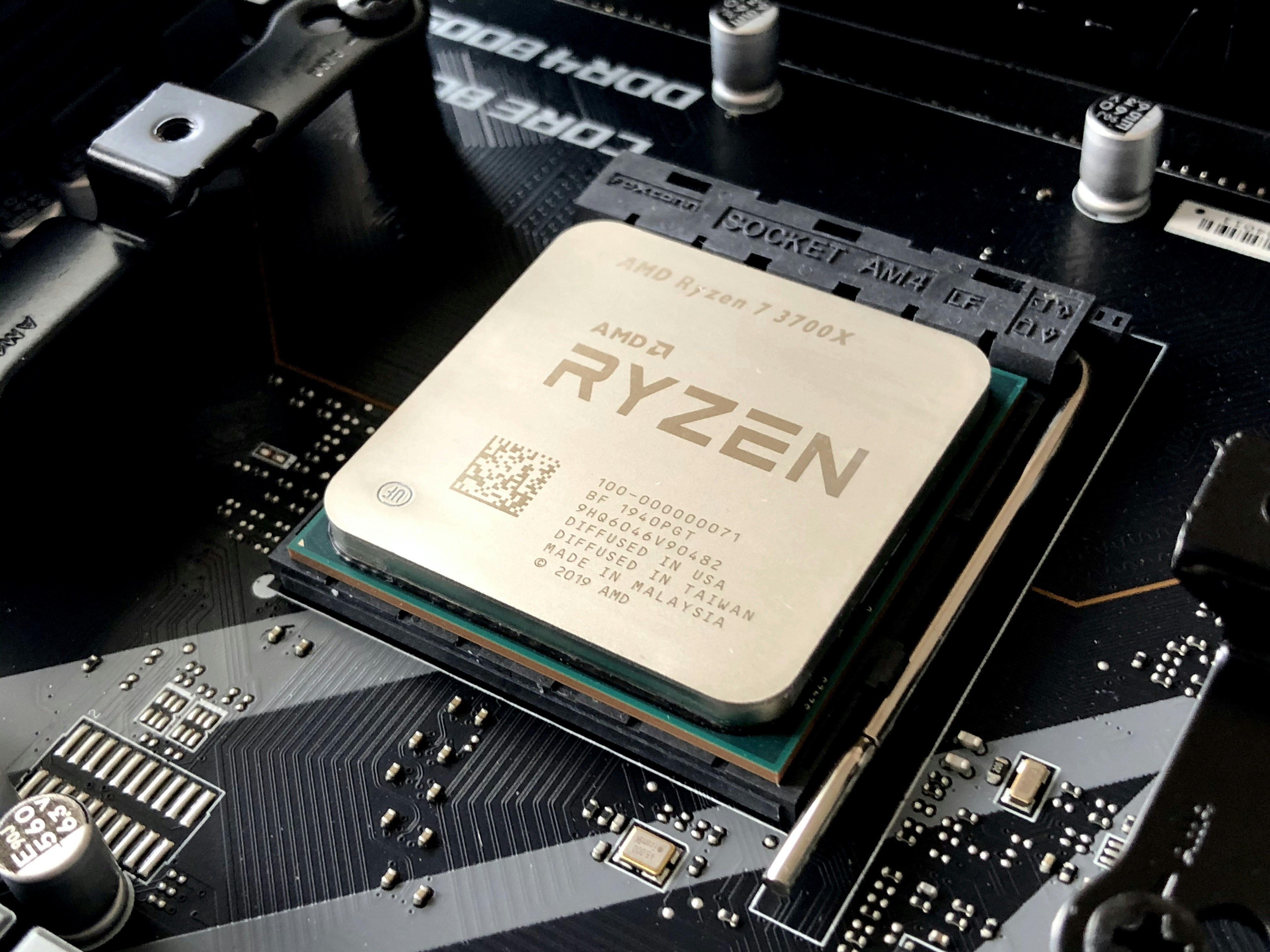
WASHINGTON | The widening divide between the United States and China over semiconductor technology is placing new pressure on the global chip industry, as export controls increasingly determine which companies can access the tools needed to manufacture advanced electronics.
The latest restrictions involving chip-equipment shipments to a major Chinese semiconductor manufacturer underscore how deeply technology policy has become tied to national security. Semiconductors are no longer viewed simply as commercial products. They are now treated as strategic assets that influence artificial intelligence, military capability, cloud computing, electric vehicles, telecommunications and industrial competitiveness.
The dispute centers on manufacturing equipment, one of the most important and least understood parts of the chip supply chain. Before a chip can power a phone, server, vehicle or AI system, it must be produced using highly specialized machines that deposit materials, etch circuits, inspect wafers and detect microscopic defects. A small number of companies dominate those tools, and access to them can determine how advanced a country’s semiconductor industry becomes.
For Washington, limiting some equipment shipments to Chinese firms is part of a broader strategy to slow China’s progress in advanced computing and military-relevant technologies. U.S. officials have argued that cutting-edge chips and the tools used to make them could support weapons systems, surveillance platforms, codebreaking, autonomous systems and artificial intelligence applications with national security implications.
Beijing sees the restrictions differently. Chinese officials have accused the United States of trying to suppress China’s technological rise and protect American dominance. The result is a cycle of controls, countermeasures and industrial policy that is pushing the two economies further apart in one of the world’s most important sectors.
The semiconductor industry is caught in the middle. Equipment suppliers want access to large markets, including China, but must comply with U.S. regulations. Chipmakers want stable access to tools and components, but face uncertainty as rules change. Customers want reliable supply, but geopolitical risk is increasingly built into production planning.
That uncertainty matters because semiconductor supply chains are global. A chip may be designed in the United States, produced in Taiwan or South Korea, packaged in Southeast Asia and sold into markets around the world. Equipment may come from the United States, Japan or the Netherlands. Materials may pass through multiple countries. Export controls affect not only one company but the timing, cost and structure of the entire chain.
China has been working to build a more self-sufficient chip industry, investing heavily in domestic production, equipment and design. The effort has produced progress, but advanced semiconductor manufacturing remains difficult. The most sophisticated chips require extreme precision, deep engineering knowledge and years of accumulated process experience. Restrictions on equipment make that climb steeper.
At the same time, export controls can create unintended consequences. They may encourage China to accelerate domestic alternatives, reduce reliance on foreign suppliers and invest even more aggressively in its own equipment sector. Over time, that could fragment the global market and reduce the influence of foreign companies in China.
For U.S. and allied equipment companies, the business impact can be significant. China has been a major source of demand for chip tools, particularly as Chinese firms expand capacity. Restrictions can reduce sales opportunities, complicate customer relationships and create forecasting challenges. Investors therefore watch export-control decisions closely.
The artificial intelligence boom makes the issue more urgent. AI systems require advanced chips, high-bandwidth memory, data-center processors and specialized infrastructure. Governments view control over those technologies as a competitive advantage. The more central AI becomes to economic and military power, the more likely semiconductor policy is to remain restrictive.
Companies operating in the sector must now plan around policy risk as much as market demand. A strong order book can change quickly if export licenses are denied. A customer relationship can become complicated if regulators classify a product as sensitive. A supply chain that looked efficient can become vulnerable if it depends on restricted tools.
The conflict also affects allies. The United States has pushed partners to align export controls, especially countries with leading semiconductor-equipment companies. That coordination is difficult because each country has its own industrial interests. European and Asian governments may share security concerns, but they also want their companies to compete globally.
China’s response will be watched closely. It could increase subsidies, prioritize domestic toolmakers, restrict exports of critical minerals, or pressure foreign companies operating in China. Each response could further complicate supply chains. The risk is not a single dramatic break, but a gradual separation of technology ecosystems.
For businesses that depend on chips, the stakes are practical. Automakers, cloud providers, electronics manufacturers, defense contractors and industrial firms all rely on semiconductor availability. If export controls reshape investment patterns or create supply bottlenecks, downstream industries may feel the effects through prices, delivery times and product planning.
The market is also focused on whether restrictions will affect mature chips or primarily advanced nodes. Many industries depend on older-generation chips that are not at the cutting edge but remain essential for cars, appliances, industrial equipment and consumer electronics. If policy uncertainty spreads too widely, it could affect more of the economy than intended.
Supporters of the controls argue that national security must come first. They say advanced chip capability cannot be treated like ordinary trade because it can strengthen rival military and surveillance systems. Critics warn that broad restrictions could harm U.S. companies, accelerate Chinese self-sufficiency and reduce global efficiency.
Both arguments have force, which is why the policy debate is unlikely to end soon. Semiconductors sit at the intersection of commerce, security and technological leadership. No major power wants to depend entirely on another for the components that drive the digital economy.
The next phase may involve more targeted rules, more licensing battles and more investment in domestic manufacturing. The United States, China, Europe, Taiwan, South Korea and Japan are all trying to secure stronger positions in the chip ecosystem. That competition will shape supply chains for years.
For now, the message to the semiconductor industry is clear: geopolitics is part of the business model. Companies can no longer assume that demand alone determines where products go. National security policy, export licenses and strategic competition will increasingly decide who gets access to the tools behind modern computing.
Additional Reporting By: Reuters; Associated Press
What this means
The chip-export dispute matters because it shows how semiconductor supply chains are being reshaped by national security concerns. Restrictions may slow China’s access to advanced manufacturing tools, but they also increase uncertainty for equipment suppliers, chipmakers and global technology customers.