Chip Equipment Demand Rises on AI Spending
KLA outlook points to continued semiconductor strength
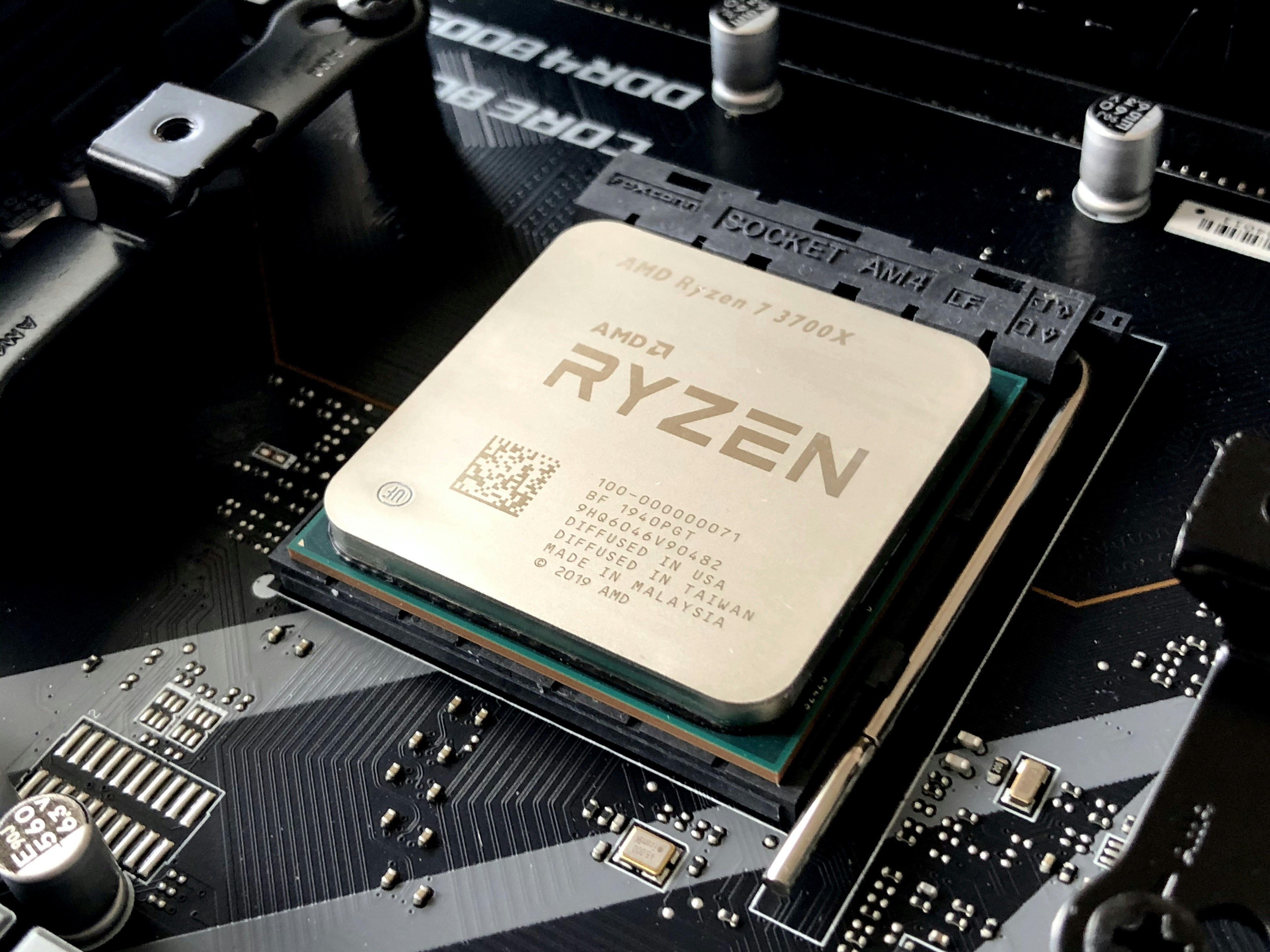
SAN FRANCISCO | Demand for semiconductor equipment is strengthening as artificial intelligence investment continues to reshape the technology supply chain, giving investors another sign that the AI boom is extending beyond software and into the physical infrastructure required to build advanced computing systems.
The latest outlook from chip-equipment companies points to continued spending by semiconductor manufacturers that supply data centers, cloud providers and artificial intelligence developers. While consumer electronics demand can fluctuate, AI-related infrastructure has become a major source of investment, supporting companies that make the tools needed to inspect, test and produce advanced chips.
Semiconductor equipment is often viewed as a leading indicator for the technology cycle. Before advanced chips can be shipped, manufacturers must invest in fabrication plants, inspection tools, lithography systems, testing platforms and process-control equipment. When demand for those tools rises, it suggests chipmakers expect strong future demand from customers.
Artificial intelligence is driving that demand because advanced models require enormous computing power. Training and operating AI systems depends on high-performance chips, memory, networking equipment and data-center infrastructure. That need has created a wave of capital spending across the industry, benefiting not only chip designers but also equipment suppliers and manufacturing partners.
KLA and other semiconductor-equipment companies occupy a critical position in that ecosystem. Their tools help manufacturers detect defects, improve yields and maintain precision during complex chip production. As chips become more advanced, the cost of errors increases. That makes inspection and process-control technology more important.
Investors are focused on whether AI-related demand is durable. Some skeptics worry that technology companies are spending too aggressively before proving that AI services can generate enough revenue. Supporters argue that the infrastructure buildout is still early and that demand for computing will continue rising as AI spreads into business software, search, robotics, drug discovery, cybersecurity and industrial automation.
The semiconductor supply chain is broad. It includes design companies, foundries, equipment makers, materials suppliers, memory producers and packaging specialists. AI demand can support multiple layers of that chain, but not all companies benefit equally. The strongest gains tend to flow toward firms that serve advanced manufacturing or high-performance computing.
Chip-equipment demand also has geographic implications. Governments in the United States, Europe and Asia are pushing to expand domestic semiconductor capacity. That policy support can increase equipment demand as new fabs are built or upgraded. At the same time, export controls and geopolitical tension can complicate sales to certain markets, especially China.
China remains an important but complex part of the industry. It is investing heavily in domestic semiconductor capability while facing restrictions on access to some advanced technologies. Equipment companies must navigate those rules while serving global customers. Any change in export policy can affect orders, revenue and investor sentiment.
For technology giants, the equipment cycle matters because it influences chip availability. Cloud providers and AI developers need reliable access to advanced processors. If manufacturing capacity lags demand, chip shortages can slow data-center expansion. If equipment investment keeps pace, the industry may be better able to meet rising AI workloads.
The energy dimension is also important. More chips mean more data centers, and more data centers require substantial power. Semiconductor investment is therefore tied to broader debates about electricity supply, grid capacity and energy efficiency. Companies building AI infrastructure must consider not only computing demand but the physical limits of power and cooling.
Markets have rewarded companies tied to AI infrastructure, but valuations remain a concern. When investor expectations rise quickly, companies must keep delivering strong results to justify their share prices. A strong revenue forecast can support confidence, but any sign of slowing orders could trigger volatility.
The current environment also shows how AI has changed the definition of technology investment. It is no longer only about software margins or advertising platforms. The AI race depends on concrete assets: fabs, servers, chips, cooling systems, power connections and manufacturing tools. That makes industrial and hardware companies more important to the technology story.
Corporate customers are still working out how to use AI profitably. But infrastructure providers are already seeing demand because companies do not want to fall behind. Cloud platforms, model developers and enterprises are racing to secure capacity, even as the business models mature. That urgency supports chip and equipment spending.
There are risks. If AI adoption slows, if customers reduce capital budgets, or if new chip architectures require less spending than expected, equipment demand could weaken. A global economic slowdown could also reduce investment. But for now, the signals from the equipment sector suggest that companies continue to prepare for heavy AI workloads.
Longer term, the semiconductor-equipment industry may benefit from both AI and strategic manufacturing policy. Governments want more secure chip supply chains, and businesses want more computing capacity. Those forces can reinforce each other, creating demand for new production facilities and advanced process-control tools.
For investors, the key question is whether the AI spending cycle becomes a multi-year infrastructure buildout or a shorter burst of enthusiasm. Equipment demand suggests that many companies are planning for the longer scenario. The money is moving into manufacturing capacity, not just marketing narratives.
The next phase will depend on orders, margins and customer concentration. If demand remains broad across memory, logic, foundry and advanced packaging, confidence may grow. If spending is concentrated among a few hyperscale customers, investors may worry about vulnerability. Either way, chip-equipment companies will remain central to the AI investment story.
The rise in demand shows that artificial intelligence is not just changing apps and online services. It is changing factories, supply chains, energy planning and capital spending across the technology industry. The companies that build the tools behind the chips may prove as important as the companies that build the models themselves.
Additional Reporting By: Reuters; SEC filings
What this means
Strong chip-equipment demand suggests that the AI boom is becoming a physical infrastructure buildout. If semiconductor manufacturers continue investing in advanced production capacity, the benefits could extend across equipment suppliers, foundries, cloud platforms and data-center operators.